How to Get the Most Out of Your Garden in the Autumn and Winter?
When designing your perfect garden, it’s not un common to get trapped in the mindset that it is purely a space for 2 seasons. For many, the garden is a sanctuary during spring and summer -bursting with life, colour, and fragrance- and it is designed purely with that use in mind.
However, the colder months of autumn and winter offer an equally rewarding, al be it different, gardening experience. By making use of a different mindset and exploring more robust options in your garden design, you can enjoy a more flexible and accessible garden space all year round.
1. Embrace the Beauty of Seasonal Foliage
Autumn is a time of great change in the plant world and this can provide some striking visuals that can make your outdoor space more cozy and warming. As summer blooms fade, autumn brings a spectacular display of golden yellows, oranges, and reds. Trees like Japanese maples, liquidambars, and silver birches add structure and vibrant hues to your garden as the season changes. With the support of a professional, you can invest in mature trees to make an immediate impact, and plan your garden with multi-season appeal in mind.
2. Install Cold-Weather Friendly Outdoor Features
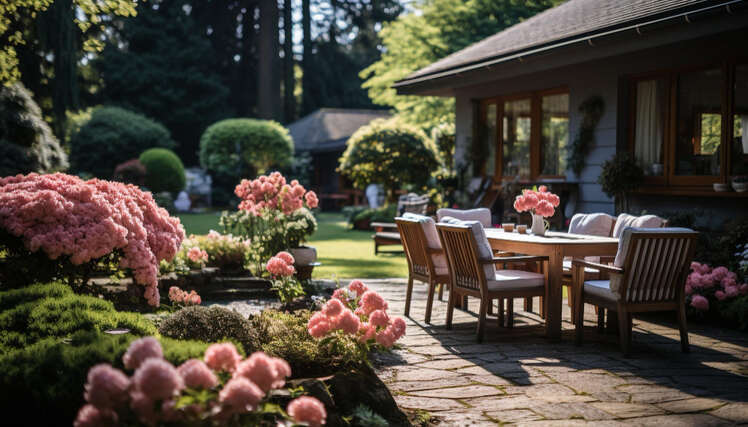
A great way to enjoy your garden through the colder months is by including hardscaping elements that will shine regardless of the weather. For more multi-purpose additions, you can consider installing a bespoke outdoor fireplace, a large stone fire pit, or a luxurious heated patio area. These features will keep you and your guests cozy as the temperatures drop, allowing you to spend time outdoors even when the weather is less inviting.
High-end, weather-resistant materials such as natural stone, Corten steel, and high-quality woods will ensure that these features remain in top condition year-round and fit in with most modern aesthetics. For a more refined experience, adding radiant heating beneath paved areas or stone paths can also help keep your outdoor space usable in even the frostiest weather.
3. Plant Winter Blooming Flower sand Hardy Vegetation
A garden that thrives in winter is all about choosing plants that are well-suited to the colder climate. It’s not uncommon to regard winter plants as purely hardy and resistant but the truth is that there are plenty of late flowering plants that provide real beauty. Winter-blooming plants such as hele bores, camellias, and snow drops can add life and color to your garden, even when everything else seems to be hibernating. Evergreen shrubs like yew and magnolia grandiflora provide structural beauty, while hardy perennials like heuchera add texture and depth to the garden beds.
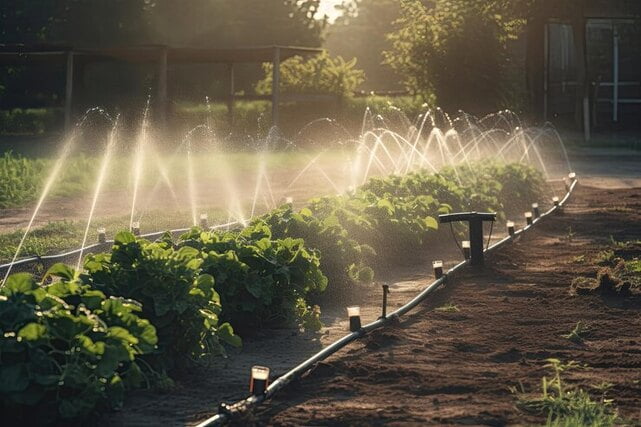
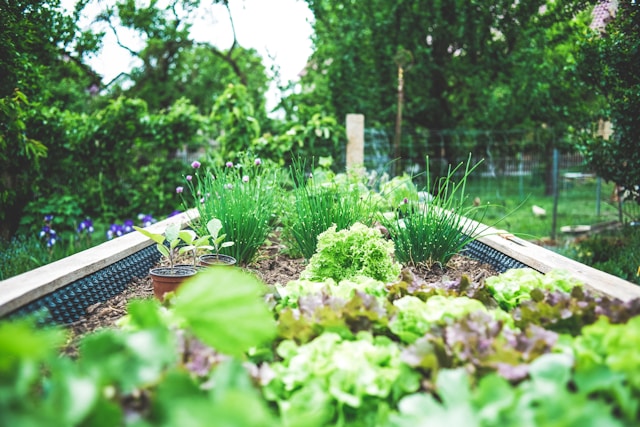
If you have a larger space, consider installing raised beds or even a dedicated winter vegetable garden. Hardy vegetables like kale, spinach, and winter lettuces can thrive well into the colder months, providing fresh produce for your kitchen and allowing you to keep up your regular habits.
4. Lighting: Illuminate Your Garden’s Best Features
The most common reason that people don’t often spend as much time in their gardens over the later months is the lack of light but with smarter lighting solutions, you can still enjoy those late nights in the garden from January to December. Strategically placed outdoor lighting can enhance the beauty of your garden and make it accessible even in the dark. For larger-scale gardens, using a combination of path lighting, up lights for trees, and spotlights for garden sculptures can create a magical night time atmosphere.
There are plenty of energy-efficient LED fixtures designed for outdoor use that can be easily incorporated into most garden designs, with dimmable options for added flexibility. You should also consider how your features can be better utilized to provide light to your space. If you’re thinking of adding water features like a pond or fountain, installing underwater lighting can turn them into striking focal points and can provide a unique dimension.
5. Create Shelter and Comfort with Outdoor Structures
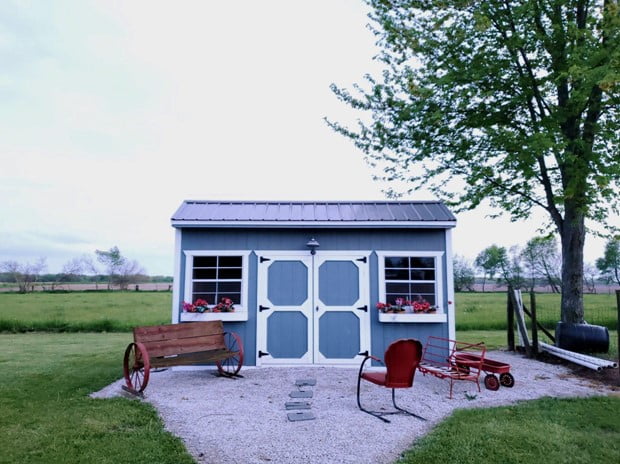
If your budget allows for larger installations, consider adding an outdoor pavilion, greenhouse, or even a garden room. These structures can be designed with retractable walls or glass windows, allowing you to enjoy the beauty of your garden while staying protected from the elements. A green house is not only practical for winter gardening but can also be a striking design feature in a well-planned landscape.
6. Invest in Wild life-Friendly Features
Autumn and winter are challenging times for wildlife, but you can encourage biodiversity in your garden by incorporating wildlife-friendly features such as bird feeders and even hedgehog shelters. While not for everyone, these small features can help to transform your garden into a haven for creatures seeking food and warmth; ideal for small children. For larger gardens, integrating a natural pond, or a small wooded area, can significantly enhance the wildlife appeal. Using native plants to attract birds, bees, and other wildlife, can help to ensure your garden remains vibrant, even when much of nature is dormant.
Plan for Next Year’s Garden Now
Finally, autumn is also the ideal time to plan for the upcoming gardening year. If you’re contemplating a major over haul or even a garden expansion, now is the time to design and schedule the work. From installing water features to laying new patios, booking large-scale garden projects in advance allows you to hit the ground running when spring arrives.
If you are wondering how you can design the perfect garden, the award-winning team at Langlea Garden Design can help you with professional landscaping and garden design services in Brighton and Sussex to design a luxury outdoor space that you can enjoy all year round. Experience a boutique, full-service practice with an integrated approach to garden design and construction.