Essential Tips in Fire Safety for New Homeowners: How to Protect Your Home?
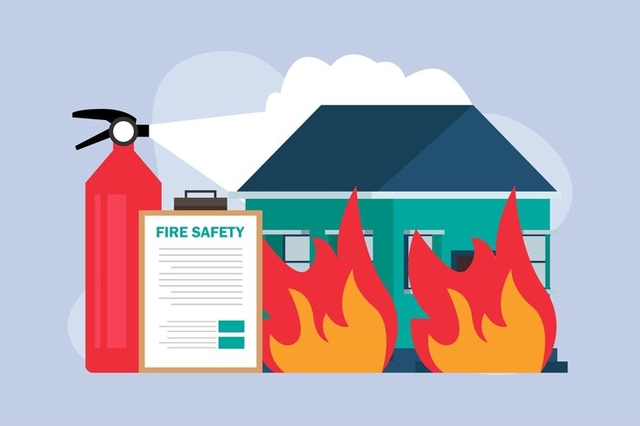
Every person loves to own a new home, but then they will have to take certain responsibilities to ensure that their families are always safe from any incident or accident like fire. This is because fires often strike without warning, keeping up rapidly and consuming everything in your home. Being proactive about fire safety may make all the difference between saving your property and, more importantly, the lives of loved ones.
Here is a more in-depth guide on fire risk and fire safety tips specifically tailored for new homeowners:
Install and Maintain Smoke Alarms Regularly
Why This Matters: Smoke alarms are vital to fire detection. Consider them the initial line of defense that alerts you to the presence of smoke, making it possible for you and your family to act.
What You Should Do:
- Place smoke alarms on every level of the home, inside and outside each sleeping area, and inside each bedroom.
- Monthly Testing: Smoke alarms should be tested monthly by pressing the test button. Regular testing allows assurance when most needed.
Mount Fire Extinguishers in Key Areas around Your House
Why It Matters: Fire extinguishers can help extinguish tiny fires before they turn into inconsistent flames. To have an extinguisher available means one can fight small fires and eliminate the competition of a full-fledged disaster. Suppose one night you accidentally have a fire in the kitchen; a fire extinguisher will save the flames from reaching other parts of your home and lessen the damage or danger considerably.
What You Should Do:
- Place Extinguishers in Places of Higher Risk: Install fire extinguishers in the kitchen, garage, workshop, and any room where flammable materials are stored. These rooms are common sources of household fires.
- Regular Inspection: Pressure gauges should be inspected monthly to ensure the extinguisher is full and in good working condition.
Develop a Comprehensive Fire Escape Plan
Why This Matters: Having a fire escape plan is crucial because every second will count in case there is a fire. In a fire situation, thick smoke and panic block the waypoints, making it difficult to escape safely.
What You Should Do:
- Know Your Escape routes: Draw a floor plan of your residence, showing at least two ways out of each room, if possible. Ensure these exits are unobstructed and easily accessible.
- Identify an outside meeting place: Choose a safe place to meet outside your home, a safe distance from where everyone can go when they escape. A family meeting spot allows you to quickly take account of everyone and inform the fire department if someone is missing.
Practice Kitchen Safety
Why This Matters: Kitchens are the leading area for residential fires. Cooking is often fast-paced and involves heat and flammable oils, making an unattended stove or distracted cooking the perfect recipe for a dangerous situation.
What You Should Do:
- Be Alert While Cooking: Never leave the kitchen while cooking, especially when using a lot of oils, over a fire, or even when grilling or broiling food. If you go outside the room, switch off the fire.
- Move Flammable Objects Away: Kitchen towels, pot holders, and paper towels should be kept from the stovetop and fire. It requires the proper management of storing oils and other related flammable products.
By preparing your home, performing maintenance, and teaching your family, you’re making your house a safer one for the future. Have a safe day, and ensure you are secure in your new home.
For more interesting posts visit my blog.